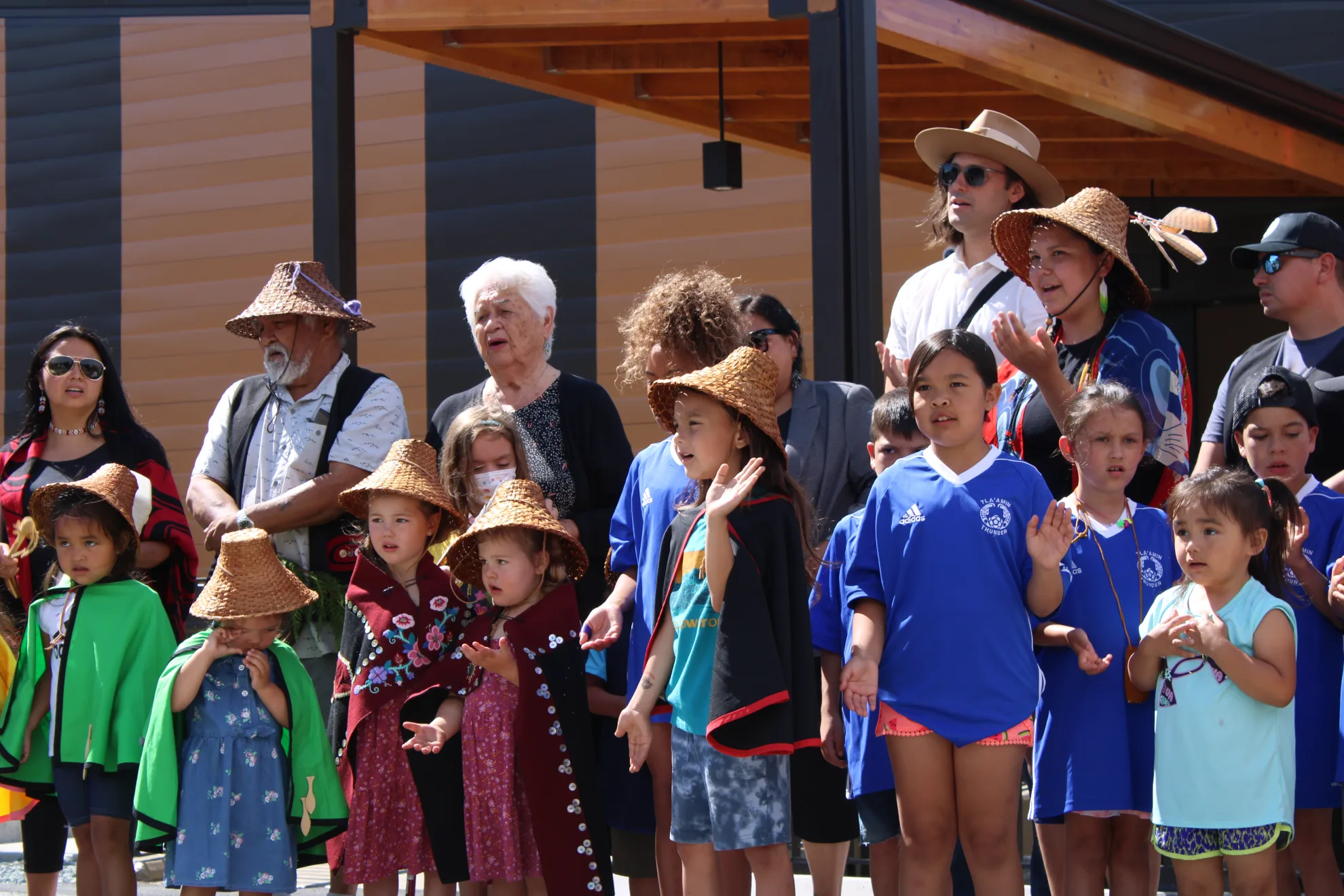
Tla’amin citizenship reflects belonging to the Nation and carrying shared responsibilities to one another, our lands, and future generations. Citizenship comes with important rights, as well as responsibilities grounded in Tla’amin law, teachings, and governance.
This summary explains what it means, in practical terms, to be a Tla’amin Citizen.
Rights of a Tla’amin Citizen
As a Tla’amin Citizen, you have the right to:
Belonging and Recognition
- Be formally recognized as a Citizen of Tla’amin Nation
- Be listed on the Tla’amin Citizenship Register
- Maintain your citizenship unless it is relinquished or revoked in accordance with Tla’amin law
Participation in Tla’amin Governance
- Participate in community decision-making as set out in Tla’amin laws and policies
- Vote in Tla’amin elections and referenda, where eligible
- Attend General Assemblies and other community forums
- Seek appointment or election to certain boards, committees, or leadership roles, subject to eligibility rules
Access to Programs, Services, and Opportunities
- Access Nation-delivered programs and services intended for Citizens, subject to applicable policies
- Be considered for housing, education, health, cultural, and economic opportunities administered by Tla’amin Nation
- Participate in cultural, language, and community activities supported by the Nation
Fair and Transparent Process
- Have your citizenship status governed by written laws and policies
- Receive written reasons for decisions affecting your citizenship
- Submit new information if an application or decision is refused
- Appeal certain citizenship decisions within legislated timelines
- Expect confidentiality and respectful handling of your personal information
Responsibilities of a Tla’amin Citizen
Citizenship also carries responsibilities. As a Tla’amin Citizen, you are expected to:
Maintain a Continuing Community Connection
- Establish and maintain a meaningful, ongoing connection to the Tla’amin community
- Engage in good faith with the Nation, whether living locally or away
- Respect the importance of family, relationships, and accountability within the community
Act Honestly and in Good Faith
- Provide truthful and complete information in citizenship-related matters
- Update the Nation if required information changes
- Avoid misrepresentation or withholding material facts, which can lead to revocation under Tla’amin law
Respect Tla’amin Laws and Governance
- Respect and comply with Tla’amin laws, policies, and decision-making processes
- Report harvesting activities within the territory
- Understand that citizenship decisions are made by the Citizenship Committee according to law
- Use appeal and review processes respectfully and within established timelines
Uphold Tla’amin Values and Community Wellbeing
- Conduct yourself in a way that reflects respect for Tla’amin people, culture, and institutions
- Support the wellbeing of the Nation and future generations
- Carry citizenship in a way that strengthens trust, unity, and accountability within the community
Citizenship is Not Automatic or Unconditional
Tla’amin citizenship is governed by law. This means:
- Citizenship is not based on status cards or past band lists alone
- Citizenship requires meeting eligibility criteria and maintaining responsibilities
- In limited circumstances, citizenship may be relinquished or revoked according to the Citizenship Law
These safeguards exist to ensure fairness, clarity, and long-term strength of the Nation.