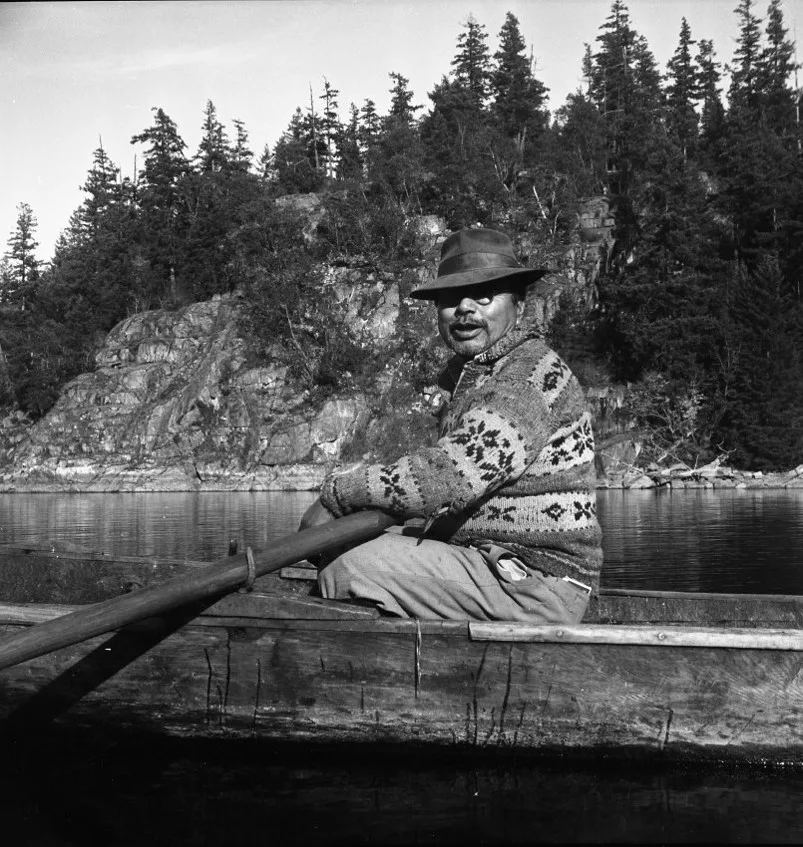
Tla’amin is a thriving Nation interconnected with our lands and resources. We have always been here, guardians of these territories, stewards of the salmon, the forest, and the sea.
From Time Immemorial
The Tla’amin Nation has called this land home since time immemorial. The history that follows is one of resilience, through epidemic, forced removal, and the criminalization of ceremony. In 2016, that persistence was recognized when Tla’amin Nation stepped out from under the Indian Act, regaining over 8,000 hectares of land and beginning a new era of self-governance.
1860s
Epidemics such as smallpox, measles, tuberculosis, and Spanish flu of mass proportions begin to appear on the Northwest Coast as a result of contact with European ships. These epidemics continue to decimate First Nations populations including Tla’amin for the next 150 years.
1885
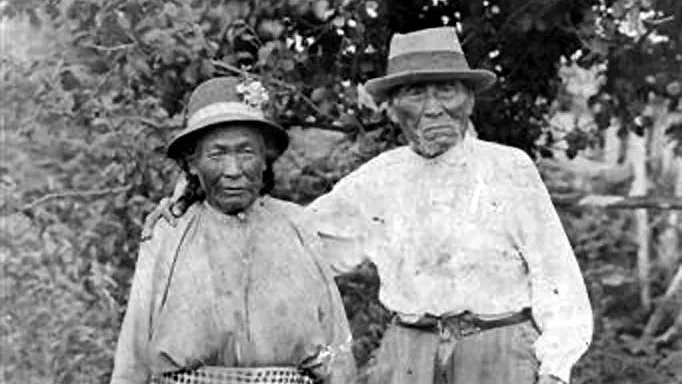
“Indian Act” prohibits cultural ceremonies such as the potlatch, which could be defined as almost any “assembling of Indian people.” It is against the law to engage or assist in ceremonies; punishable by up to a six-month sentence. Indian agents were given the authority to administer enforcement and punishment.
1900s
Colonial governments imposed their foreign place names on sites throughout Tla’amin territory. These sites already had Tla’amin place names.
1910 – 1915
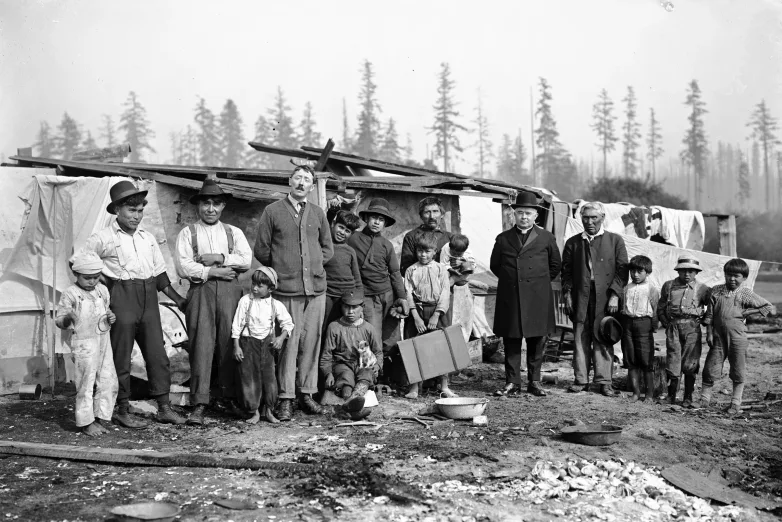
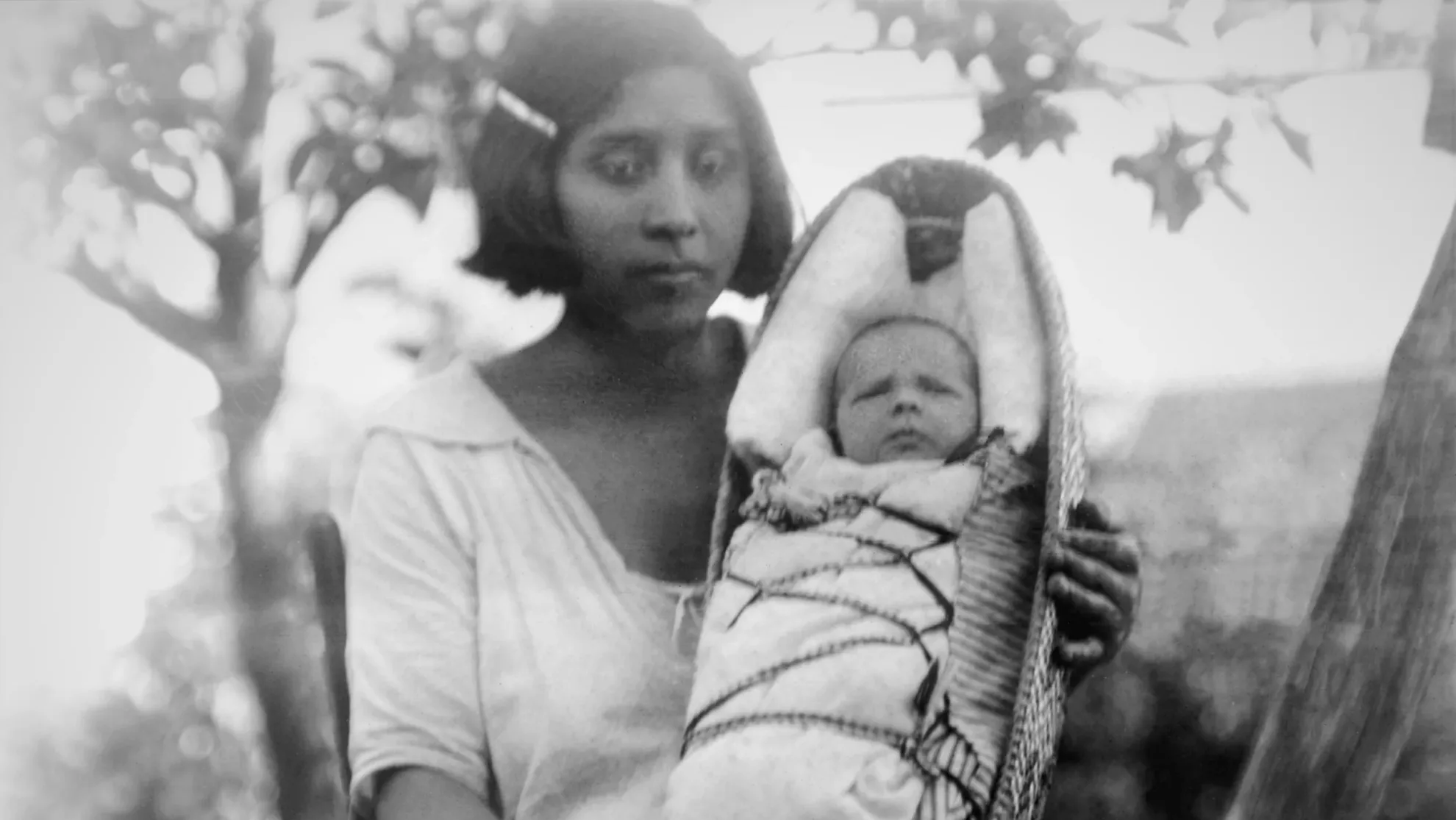
Tla’amin people were forcibly removed to t̓išosəm, including from tiskwat and other sites. Some continued to stay and protest the demolition of their homes.
1940s
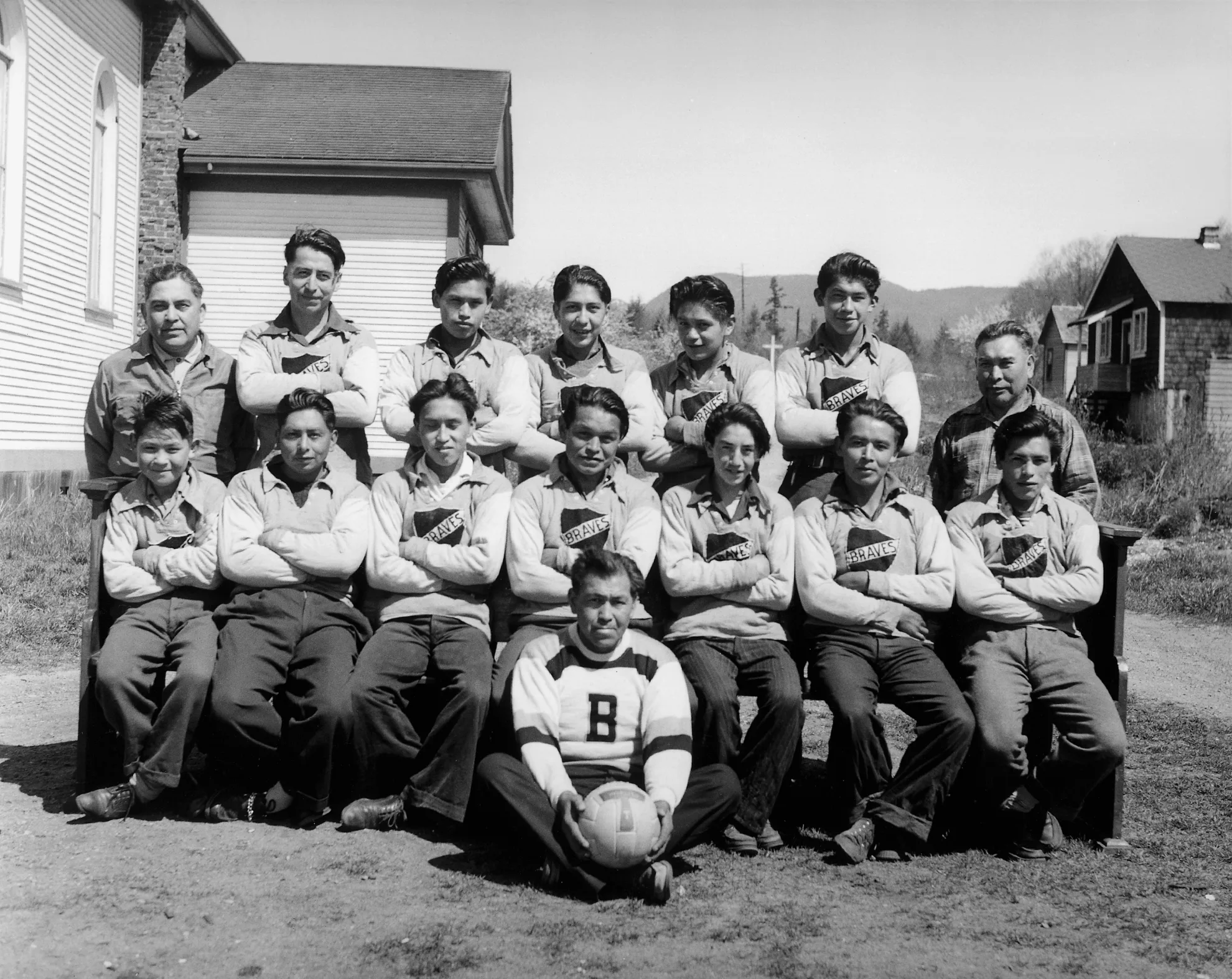
Soccer came to Tla’amin in the late 1800s. In the 1940s, our young men became well known all over the coast with the first team called the Sliammon Tigers. They paddled to other First Nations communities such as Cape Mudge, Sechelt, Campbell River, Alert Bay, and the Kingcome Inlet to challenge other teams. The elder coaches were strict to the last detail including special diets, no drinking or smoking, curfews, and teachings around natural medicines, the sweat lodge, and daybreak bathing.
1952
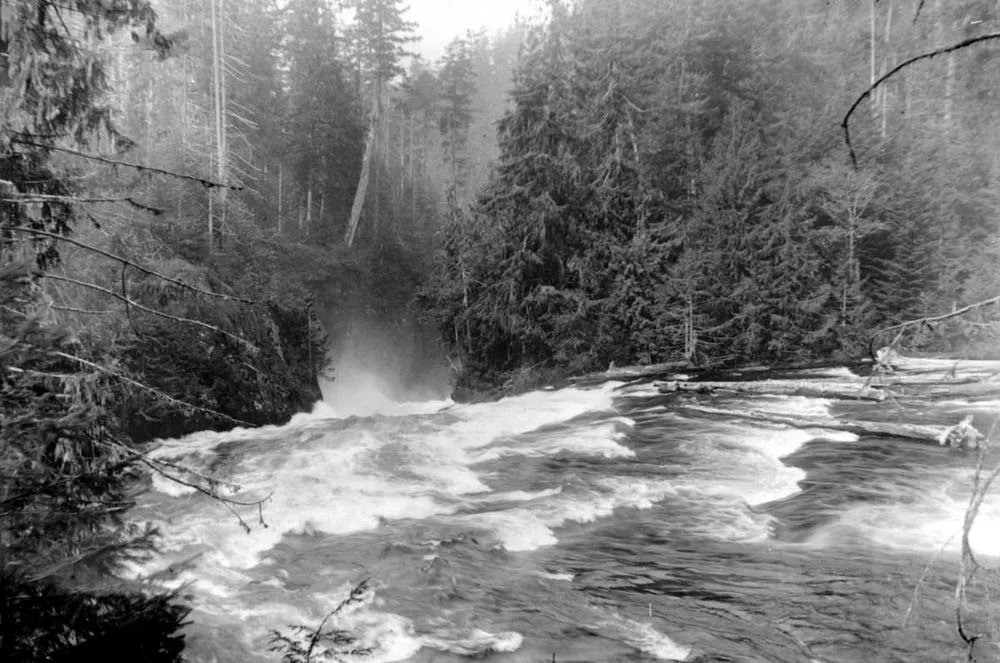
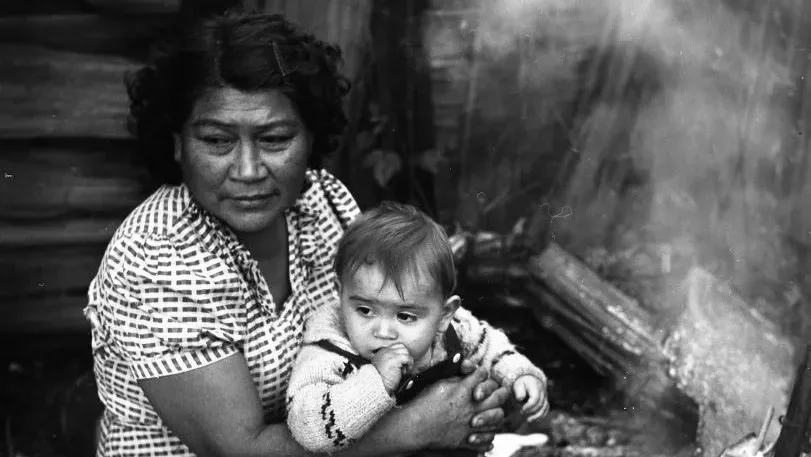
toq”anan (Theodosia) River is dammed 12 kilometres from the mouth by the Powell River Power Company to generate hydroelectric power to the mill. This redirected 80% of the flow into Olsen Lake, forever changing the surrounding habitat and destroying the once thriving runs of five species of salmon. Tla’amin rights and ownership of toq”anan, including Indian Reserve (IR) #4 at the mouth of the Theodosia River, was never acknowledged, and Tla’amin was not involved in this decision despite the significant damage to IR#4 and Tla’amin territory.
1960
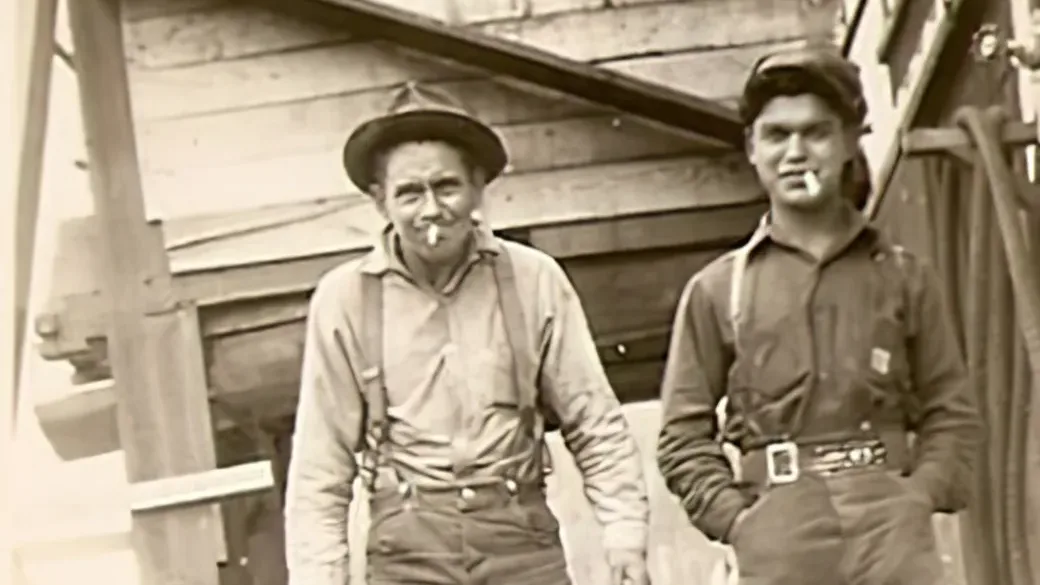
Federal voting rights extended to include First Nations people. Tla’amin people could vote for the first time in federal elections.

1970s
Tla’amin families begin to bring back the traditional naming, memorial, and other cultural ceremonies for the first time in over 50 years.
1970 – 1982
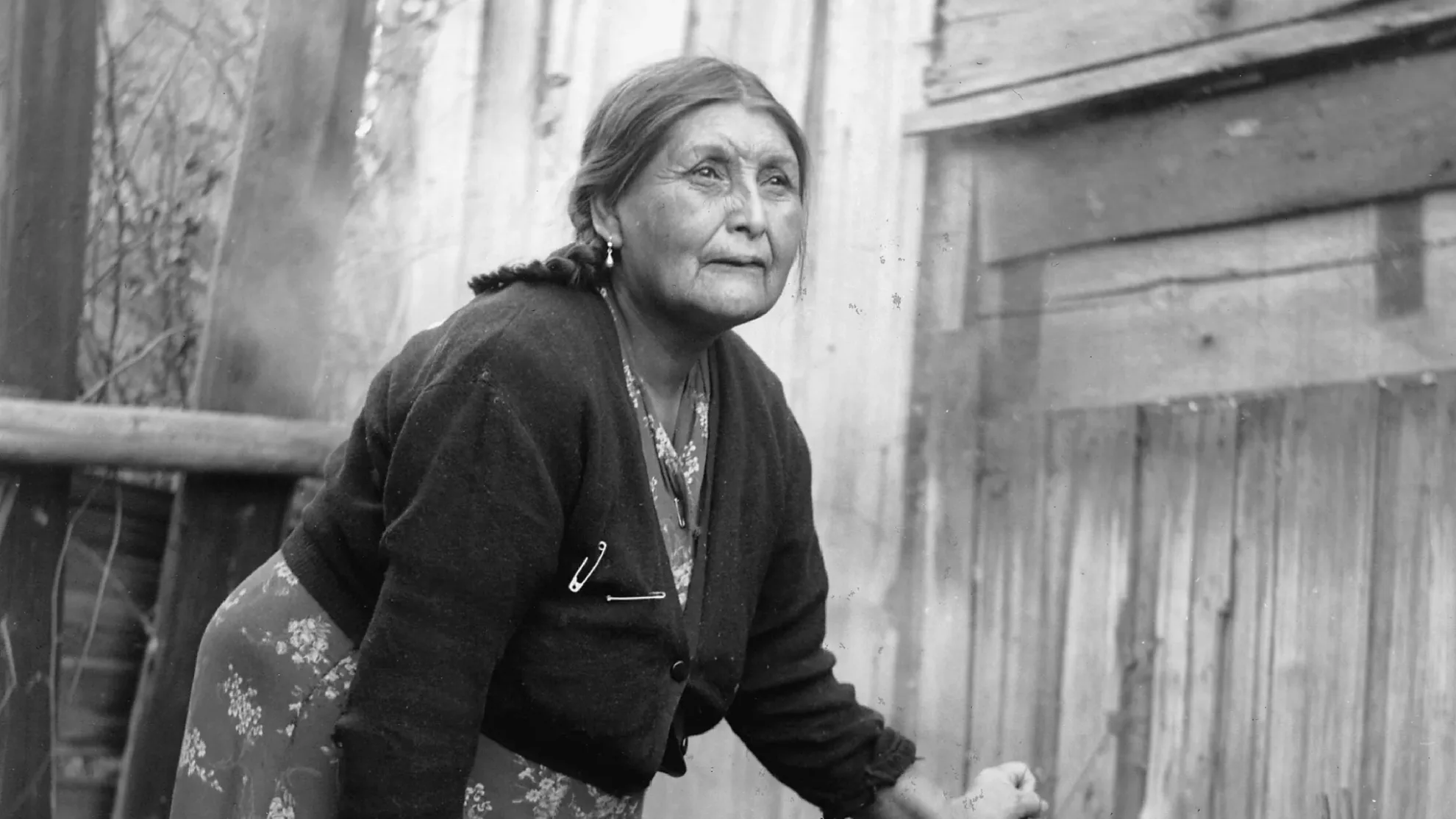
Significant development activity at the t̓išosəm community including a range of houses, a fire truck and hall, a soccer field, a kindergarten, wastewater infrastructure, a hatchery, Salish Centre and a health building.
1994
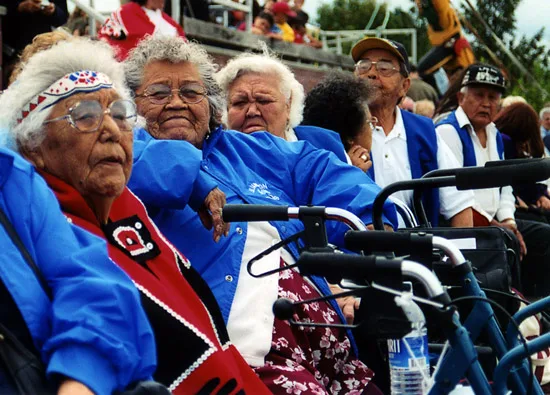
Sliammon enters the B.C. Treaty Process with a Statement of Intent and a map of the Traditional Territory.
2016
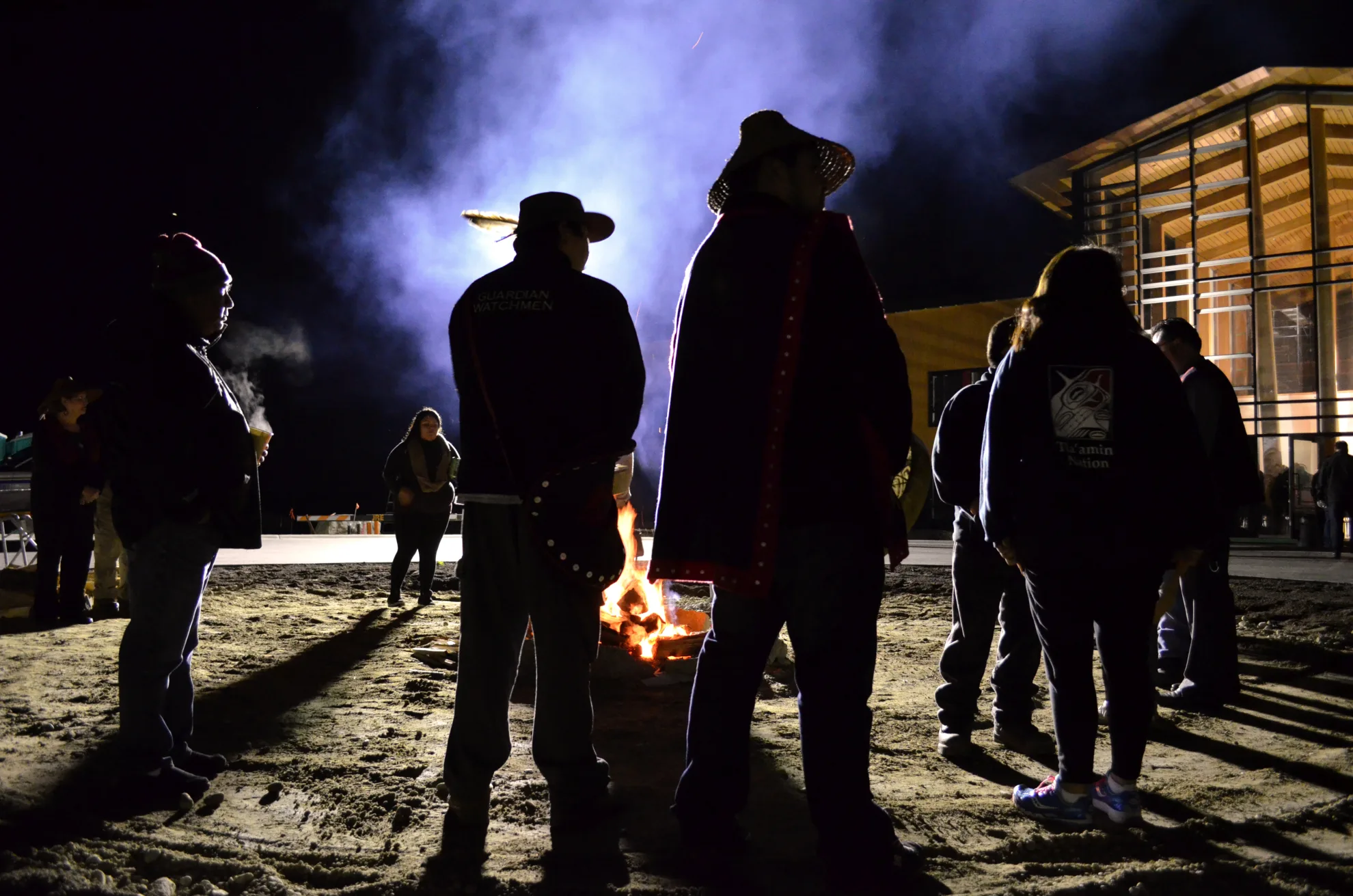
Sliammon is no longer an Indian Act Band. Through the Treaty Agreement, Tla’amin Nation regains ownership of 8,322 hectares of land and begins self-governance.
Today & Tomorrow
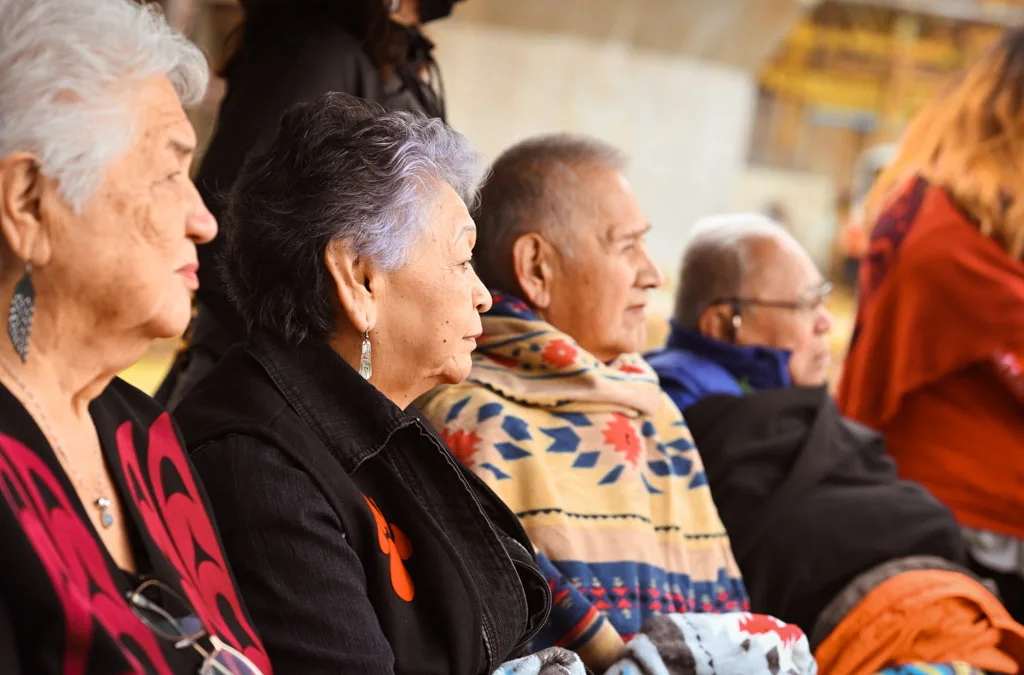
Since 2016, the Tla’amin Nation has exercised its inherent right to self-governance. Guided by our ʔəms taʔow — the teachings of our ancestors — we continue to restore our language, protect our territories, and build a future of well-being for all citizens.